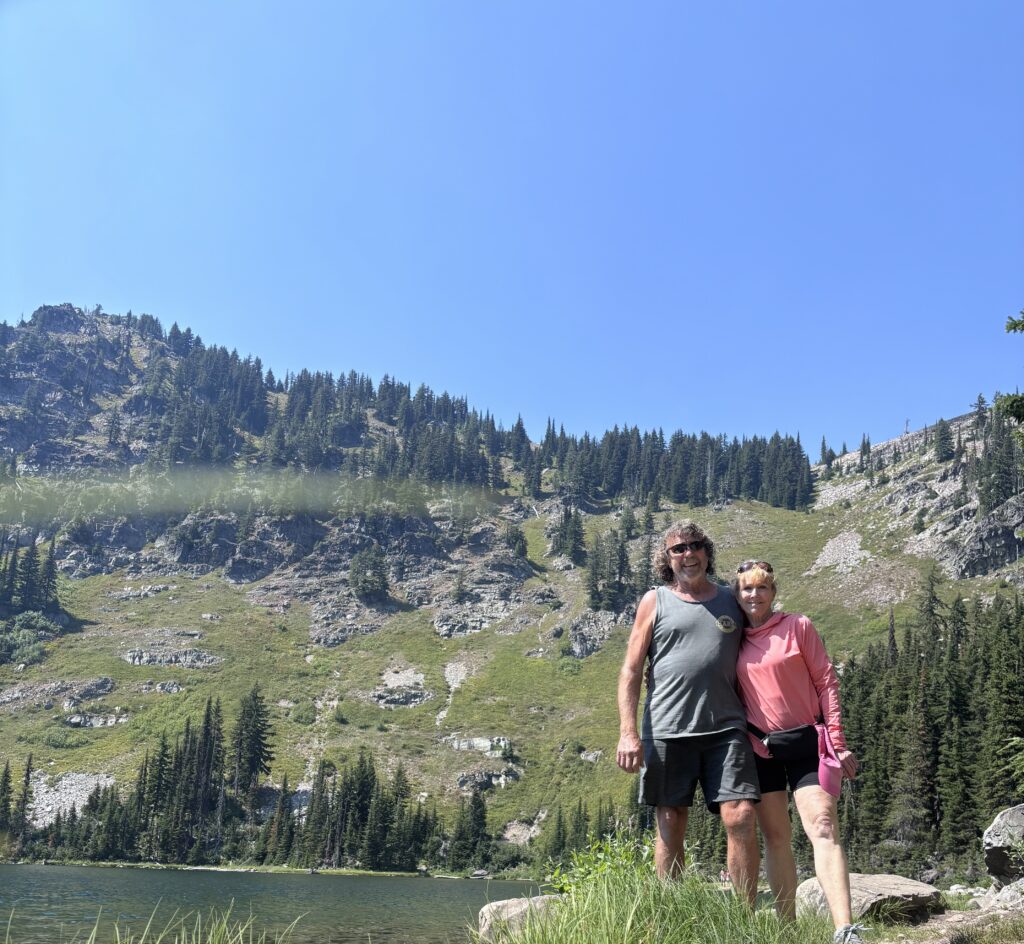
After years of working, raising families, meeting deadlines, and keeping up with life’s responsibilities, retirement finally gives you something you may not have had enough of before: time.
But here’s the thing about retirement. Having more free time doesn’t automatically mean you’ll feel fulfilled. The secret is finding things that give your days purpose, keep you curious, challenge you to grow, and help you enjoy the people and experiences that make life worthwhile.
Whether you’re fully retired, easing into it, or just dreaming about the day you can call your own shots, here are 10 hobbies that can help you make the most of this next chapter.
1. Journaling: Start and End Your Day with Intention
You don’t need to be a writer to keep a journal. A few minutes each day can help you slow down, appreciate what you have, and think about the kind of person you want to become. Start your morning by writing down three things you’re grateful for. They don’t have to be big things. A good cup of coffee, a beautiful sunrise, or a phone call from an old friend can be enough. At night, ask yourself three simple questions: What went well today? What did I struggle with? What virtue do I want to practice tomorrow? Maybe tomorrow calls for more patience, courage, kindness, or discipline. The point isn’t to have a perfect day. It’s to keep learning from the days you have.
Retirement tip: Keep a notebook next to your favorite chair and make journaling part of your morning coffee or evening wind-down routine.
2. Walking with Intention: Get Outside and Clear Your Head
Walking is one of the simplest hobbies to start, and it doesn’t require expensive equipment or a gym membership. But try taking it a step further. Instead of walking just to get your steps in, walk with intention. Leave your phone in your pocket. Notice the scenery, listen to the birds, feel the fresh air, and pay attention to what’s happening around you. Take a different route, explore a local trail, or head out early enough to catch the sunrise. Use the time to think, reflect, or simply enjoy a little peace and quiet. Walking can also be a great way to stay active, support your overall well-being, and spend time with a friend without needing to plan an elaborate outing.
Retirement tip: Pick a regular time for your daily walk. Start with a comfortable distance and build from there.
3. Gardening: Grow Something of Your Own
There’s something satisfying about putting a seed in the ground, caring for it, and watching it grow. Gardening gets you outside, gives you a reason to stay active, and offers a rewarding project that changes with the seasons. And you don’t need a huge backyard to get started. Try a small raised garden bed, plant a few herbs on your kitchen windowsill, or grow tomatoes and peppers in containers on the patio. If you enjoy cooking, fresh herbs and homegrown vegetables can make your meals even better. If flowers are more your style, create a little corner of color that gives you something beautiful to enjoy every day. Gardening also teaches patience. You can’t rush a tomato plant any more than you can rush a good life.
Retirement tip: Start small. Choose two or three plants that interest you, learn what they need, and expand your garden as your confidence grows.
4. Learning a New Skill: Keep Your Curiosity Alive
Who says you have to stop learning when you retire? This is your chance to explore something you’ve always wanted to try but never had the time for. Learn to play guitar, take a photography class, try fly-fishing, master a few new recipes, or learn a new language. You could even explore technology, take an online course, or finally figure out how to use that camera you’ve had sitting in the closet. The goal isn’t to become an expert overnight. It’s to enjoy the process of getting better at something new. Learning keeps life interesting, gives you fresh goals, and can introduce you to people who share your interests.
Retirement tip: Choose one skill you’ve always been curious about and give yourself 30 days to explore it. You might discover your next favorite hobby.
5. Volunteering: Give Back and Make a Difference
Retirement gives you an opportunity to put your experience, time, and talents to good use. Volunteering can connect you with your community while helping people who need a hand. You might help at a local food bank, work with an animal rescue, support a veterans’ organization, maintain a community garden, or assist with a local outdoor conservation project. You don’t have to commit every day or take on a major responsibility. Even a few hours a month can make a difference. Volunteering also reminds us that a meaningful life isn’t measured only by what we accomplish for ourselves. Sometimes, it’s about what we do for others.
Retirement tip: Look for a cause you genuinely care about. You’re more likely to stick with volunteering when the mission means something to you.
6. Read Philosophy and History: Learn from Those Who Came Before You
Retirement can be a great time to explore the bigger questions in life. Reading philosophy can help you think about purpose, character, happiness, and what it means to live well. Writers such as Marcus Aurelius, Seneca, and Epictetus offer ideas about discipline, resilience, and focusing on what you can control. History offers another kind of education. Explore the stories of great leaders, ordinary people who overcame extraordinary challenges, or the events that shaped the world we live in today. You don’t need a degree or a reading list a mile long. Start with a book that catches your interest and take your time with it. You might even join a book club and turn reading into a social hobby.
Retirement tip: Read for 15 minutes a day. Underline passages that make you think and write down one idea you’d like to apply to your own life.
7. Physical Discipline: Build Strength, Balance, and Consistency
Staying active in retirement is about more than looking good. It’s about maintaining the strength, balance, mobility, and stamina that help you keep doing the things you love. Physical discipline means making movement a regular part of your life, even on the days when you’d rather stay in your recliner. Depending on your abilities and interests, this could mean strength training, swimming, cycling, yoga, hiking, stretching, or practicing balance exercises. You don’t have to train like an athlete. The goal is to build a routine you can maintain and adapt as your needs change. Start at a level that feels appropriate for you, increase gradually, and seek professional guidance if you have health concerns or limitations.
Retirement tip: Set a simple weekly goal. Consistency matters more than intensity, and small efforts add up over time.
8. Craftsmanship: Make Something with Your Hands
In a world where so much happens on a screen, there’s something refreshing about creating something tangible. Woodworking, ceramics, knitting, painting, pottery, leatherworking, and other hands-on hobbies give you a chance to slow down, develop a skill, and turn raw materials into something useful or beautiful. Build a birdhouse. Restore an old piece of furniture. Paint a landscape from a favorite camping trip. Make a handmade gift for someone you care about. The finished product is only part of the reward. There’s satisfaction in learning the process, working through mistakes, and seeing your skills improve. And who knows? A hobby that starts in your garage or spare room might eventually lead to a craft fair, a side business, or a new circle of friends.
Retirement tip: Start with one manageable project and basic supplies. You don’t need a professional workshop to discover the satisfaction of making something yourself.
9. Mentorship: Share What You’ve Learned
Years of working, raising a family, building relationships, and navigating life’s challenges leave you with something valuable: experience. Mentorship is a way to pass that experience along. You might help a younger person learn a trade, guide someone starting a business, coach a youth sports team, or offer career advice to someone entering your former profession. Mentorship doesn’t mean having all the answers. Sometimes, it means listening, asking thoughtful questions, and helping someone see possibilities they hadn’t considered. You may find that mentoring benefits you just as much as the person you’re helping. It keeps you connected, gives your knowledge a new purpose, and lets you continue contributing long after you’ve left the traditional workforce.
Retirement tip: Think about one skill or lesson you’ve learned over the years that could help someone else. Find a local organization, school, trade group, or community program where you can share it.
10. Community and Friendship: Don’t Go It Alone
One of the most important parts of a fulfilling retirement is staying connected to other people. When work ends, you may lose the daily conversations, shared goals, and familiar faces that once filled a big part of your life. That’s why building and maintaining friendships deserves a place on your retirement hobby list. Join a hiking group, fishing club, community organization, or local workshop. Invite a friend for coffee. Organize a weekly lunch with old coworkers. Find a group that enjoys camping, RV travel, motorcycles, off-roading, or whatever gets you excited to get out the door. And don’t wait for someone else to make the first move. Be the person who reaches out, plans the get-together, or invites someone new to join in. Strong friendships aren’t built in a single afternoon. They’re built through regular conversations, shared experiences, and showing up for one another.
Retirement tip: Make one social plan each week. It doesn’t have to be complicated. A walk with a friend or a backyard barbecue can be enough to keep connections growing.
Retirement Is What You Make It
The best part of retirement is that you finally have more freedom to decide what matters to you. You can spend your mornings in the garden, your afternoons learning a new skill, and your weekends exploring somewhere you’ve never been. You can challenge yourself physically, give back to your community, or simply enjoy a quiet evening with a good book. You don’t have to take up all 10 hobbies. Start with one or two that sound interesting and see where they lead. Your interests may change, and that’s part of the adventure. The goal isn’t to fill every hour of retirement with activity. It’s to create a life that feels meaningful, enjoyable, and genuinely yours. Because retirement isn’t about sitting around waiting for the next chapter to happen. It’s about getting out there and living it; A Little H.A.R.D.-Won Advice 😊
At HARD Wears, we believe retirement should come with a healthy dose of humor, a spirit of adventure, and the freedom to do things your own way. Whether you’re heading out on the road, spending a weekend in the great outdoors, or kicking back after a day well spent, wear what you love and make the most of your time.
Ready for your next adventure? Check out the laid-back lifestyle apparel at Half Ass Retired Dude and find your next favorite tee for whatever retirement throws your way.
Visit www.hard-wears.com and remember: You may be retired, but you’re far from done living.
HARD Wears — For those who never lost their sense of adventure.